

Spring Suspension Maintenance for Smooth Driving
Rob Newhouse • April 10, 2025

April 10, 2025

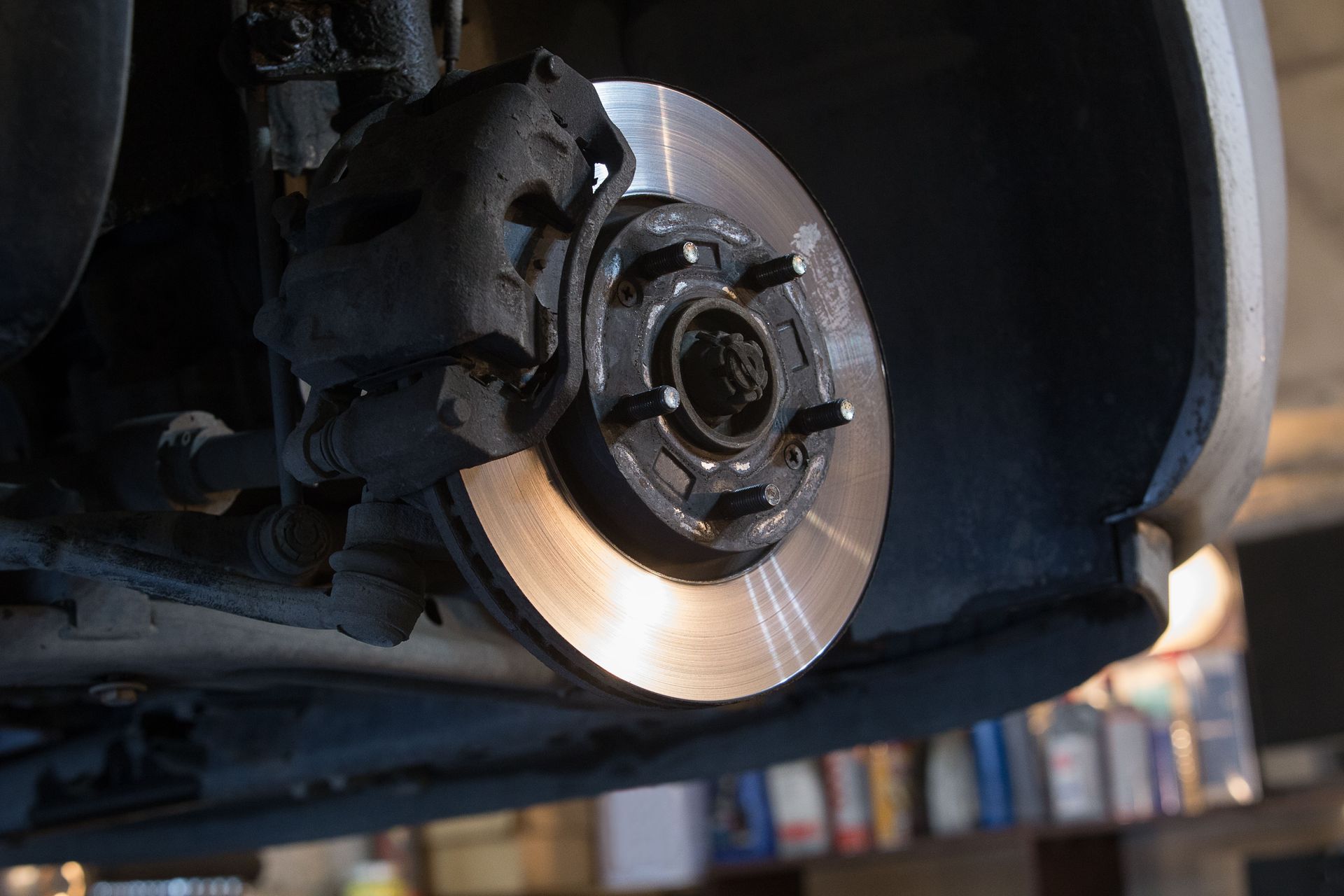
When it comes to ensuring a smooth and comfortable ride in your vehicle, paying attention to your suspension system is crucial. One key component of the suspension system is the springs. Proper maintenance of your spring suspension system can not only enhance the driving experience but also extend the lifespan of your vehicle. In this article, we will discuss the importance of maintaining your spring suspension system and provide some tips on how to keep it in optimal condition.

Importance of Spring Suspension Maintenance

The spring suspension system plays a vital role in providing stability and control while driving. Here are some reasons why maintaining your spring suspension system is important:

  • Comfort: A well-maintained spring suspension system helps absorb shocks and bumps on the road, ensuring a smooth and comfortable ride for you and your passengers.
  • Safety: Properly functioning springs help maintain proper tire contact with the road, which is essential for optimal braking and handling.
  • Handling: A worn-out or damaged spring suspension system can affect the vehicle’s handling, making it more difficult to control, especially during turns or sudden maneuvers.

Signs of Spring Suspension Issues

It’s essential to be aware of the signs that indicate potential issues with your spring suspension system. If you notice any of the following symptoms, it may be time to inspect or replace your springs:

  • Uneven Tire Wear: Uneven wear on your tires could be a sign of spring issues, causing misalignment and affecting tire contact with the road.
  • Vehicle Sagging: If you notice that one corner of your vehicle sits lower than the others, it could indicate a weak or broken spring.
  • Bumpy Ride: Experiencing a rough and bouncy ride, even on relatively smooth roads, may point to worn-out springs that are no longer providing adequate support.

Tips for Maintaining Your Spring Suspension System

Regular maintenance of your spring suspension system can help prevent costly repairs and ensure a more enjoyable driving experience. Here are some tips to keep your springs in top condition:

1. Regular Inspection

Inspect your spring suspension system regularly for any signs of damage, rust, or wear. Look for cracks, breaks, or sagging springs that may need attention.

2. Check Alignment

Proper wheel alignment is crucial for preserving your spring suspension system. Misaligned wheels can put extra stress on the springs, leading to premature wear and tear.

3. Maintain Proper Weight Distribution

Avoid overloading your vehicle, as excess weight can strain the springs and impact their performance. Make sure to distribute the load evenly to prevent unnecessary stress on the suspension system.

4. Address Issues Promptly

If you notice any of the warning signs mentioned earlier or suspect spring suspension problems, don’t delay in seeking professional assistance. Ignoring issues can lead to further damage and compromise your safety on the road.

5. Professional Inspection

It’s a good idea to have your spring suspension system inspected by a certified mechanic at least once a year. A trained professional can identify any potential issues early on and recommend necessary repairs or replacements.

Final Thoughts

Maintaining your spring suspension system is essential for a comfortable, safe, and enjoyable driving experience. By staying proactive and addressing any issues promptly, you can prolong the lifespan of your vehicle’s suspension components and avoid costly repairs down the road. Remember to prioritize regular inspections and seek professional help when needed to keep your spring suspension system in optimal condition.

Mechanic kneeling, looking at driver in blue car. Shop setting, two men.
May 18, 2026
Owning a BMW is about more than just getting from point A to point B. It's an experience defined by precision engineering, a responsive throttle, and that signature connection to the road. Delaying a professional BMW repair can turn a simple sensor replacement into a multi-day mechanical overhaul. Understanding what your car is trying to tell you is the first step in preserving the investment you've parked in your driveway. Modern vehicles are incredibly smart, but they still rely on the driver to act as the first line of defense. According to Gitnux, nearly 20% of all vehicle service needs stem from a lack of routine upkeep or general owner oversight. This statistic is particularly relevant for luxury imports where the tolerances are tight and the components are specialized. By staying ahead of the curve and recognizing the red flags early, you ensure that your vehicle remains the ultimate driving machine rather than a source of constant frustration. 1. Unusual Vibrations One of the most common signs that something is amiss involves the physical sensation of the drive itself. Your car should feel planted and smooth, regardless of the speed. If you start to notice a rhythmic vibration through the seat or the floorboards, it's usually a sign that the suspension or drivetrain is struggling. This isn't just a matter of comfort; it's a safety issue. When components like bushings, control arms, or engine mounts begin to fail, they stop absorbing the energy of the road and start transferring it directly to the chassis. This extra stress can cause a domino effect, wearing out tires prematurely and putting unnecessary pressure on the steering rack. Many drivers assume that a shake in the steering wheel simply means the wheels are out of balance. While that is a possibility, in a high-performance vehicle, it could also indicate a warped rotor or a sticking brake caliper. Ignoring these physical cues leads to a more expensive BMW repair down the road because the vibrations eventually shake other delicate parts loose. If the car no longer feels like it's gliding, it's time to have a professional look at the undercarriage. Addressing these shakes early ensures that your handling remains crisp and that your daily drive doesn't become a workout for your arms and nerves. 2. Strange Noises The sound of a well-tuned engine is music to an enthusiast's ears, which makes it very obvious when a new, unwanted instrument joins the orchestra. Squealing, grinding, or clicking sounds are never "normal" for an import vehicle. A high-pitched squeal upon startup often points to a worn serpentine belt or a failing pulley, while a rhythmic metallic clicking could suggest an issue with the valve train or an oil pressure problem. Because these engines are designed with such specific acoustics, any deviation from the standard hum is a cry for help. You shouldn't wait for the noise to get louder before you decide to seek a BMW repair, as internal friction works quickly and silently until it doesn't. Grinding noises are particularly concerning because they almost always indicate metal-on-metal contact. This often happens in the braking system when pads are worn down to the wear indicators or in the alternator and water pump bearings as they reach the end of their lifespan. When you hear these sounds, you're literally hearing the destruction of a component. If you catch it while it's just a faint chirp, the fix is usually straightforward. If you wait until it's a constant roar, you might be looking at replacing entire assemblies. 3. Lingering Odors Your nose is often a better diagnostic tool than your ears. When you're sitting in the cockpit, the only thing you should smell is the leather or your air freshener. If you catch a whiff of something sweet, like maple syrup, you're likely dealing with a coolant leak. Because these cooling systems operate under high pressure, even a pinhole leak in a hose or a hairline crack in the expansion tank can lead to a catastrophic overheat. On the other hand, a thick, acrid smell usually indicates that oil is leaking onto a hot exhaust manifold. This is a common issue with older valve cover gaskets, and while it might seem like a minor nuisance, it poses a genuine fire risk and can damage sensitive electronics. Another scent to watch for is the smell of dirty gym socks, which typically points to mold or mildew buildup in the HVAC system. While this might not affect the mechanical drive of the car, it certainly affects your health and comfort. However, the most dangerous scent is the smell of raw gasoline. This could indicate a failing fuel injector seal or a leak in the fuel line, both of which require an immediate BMW repair to ensure the vehicle is safe to operate. Odors are the car's way of telling you that fluids are escaping their intended paths. 4. Fluid Spots The floor of your garage can tell a detailed story about the health of your vehicle. Most modern imports use a variety of specialized fluids, and each one has a distinct color and consistency. If you back out of your parking spot and see a bright green, blue, or pink puddle, your cooling system is compromised. If the fluid is dark brown and slippery, it's likely engine oil. While a few drops might not seem like a crisis, they're often the precursor to a much larger failure. Fluid loss leads to increased friction and heat, which are the primary enemies of any high-performance engine. Monitoring these spots is a simple habit that can save you thousands of dollars in long-term engine work. Red or thin brown fluids usually come from the transmission or the power steering system. Since these systems rely on hydraulic pressure to function correctly, even a small drop in fluid levels can lead to erratic shifting or heavy, difficult steering. It's important to remember that these systems are closed, meaning they shouldn't "consume" fluid over time. If the level is low, there is a leak somewhere that needs to be addressed. Scheduling a BMW repair at the first sign of a puddle ensures that you aren't running vital components dry. Keeping the fluids inside the car where they belong is the most basic form of maintenance, yet it's the one most frequently overlooked by busy owners. When you notice any of these warning signs for BMW repair , the best course of action is to rely on experts who have the right tools and the right experience. You want a team that values your time and understands the importance of getting the job done correctly the first time. Whether it's a routine oil change or a complex diagnostic puzzle, professional intervention is the key to maintaining that signature driving feel. Don't let a small issue turn into a major headache by waiting too long to act. Protecting your investment starts with a simple choice to prioritize quality service, ensuring your vehicle remains safe and reliable on the road for years to come. Our dedicated specialists provide the precision care your luxury car demands, giving you total peace of mind. If your vehicle is showing any of these symptoms, contact Rob's Import Repair to schedule your appointment today.
local auto repairs
April 16, 2026
Discover how local auto repairs can keep your vehicle running smoothly all year and learn why choosing a nearby shop delivers better service and faster results.
Volkswagen repair
April 13, 2026
Keep your VW running like new! Discover why expert Volkswagen repair and genuine parts are the keys to long-term performance and safety.
Show More →