
November 18, 2026
Owning a European luxury import brings a distinctive combination of performance, comfort, and engineering. These vehicles can feel effortless on the road, but the technology supporting that experience is often complex. Engines, transmissions, safety equipment, and convenience features may share information across multiple electronic systems. Maintaining those qualities requires attention to the vehicle’s specific design, not just its age or mileage. Understanding the differences helps owners recognize when professional evaluation matters. That perspective also helps separate routine maintenance needs from symptoms that deserve immediate professional attention.
Driving habits also shape maintenance needs. Short commutes, highway travel, seasonal storage, and demanding weather can affect components differently. Specialized European auto repairs account for those patterns alongside manufacturer specifications and service records. This guide explains how informed diagnostics, careful handling assessments, electronic troubleshooting, and sensible maintenance planning support the long-term enjoyment of luxury imports.
Understanding European Vehicle Engineering
Recognizing Brand Differences
European luxury imports often combine refined driving characteristics with tightly integrated mechanical and electronic systems. Yet a German sport sedan, a British luxury SUV, and a Scandinavian family vehicle can have very different service requirements. Specialized European auto repairs begin with understanding the manufacturer, model, powertrain, and service history rather than treating every imported vehicle as mechanically identical. That distinction helps technicians investigate symptoms in the context of the vehicle's design.
Considering Luxury Market Demand
According to WGN, luxury vehicles represent 19.2% of all automobile sales in the United States. That share reflects a substantial group of drivers who may need maintenance and repair support tailored to sophisticated vehicles. Ownership expectations often extend beyond basic transportation: drivers also value smooth performance, responsive handling, comfort features, and dependable electronic systems.
Explaining Integrated Systems
Modern vehicles connect powertrain controls, braking, steering assistance, climate equipment, and driver information through electronic networks. A fault in one area may trigger warnings elsewhere. Effective diagnosis therefore involves understanding how systems communicate, not simply replacing the component mentioned in a dashboard message.
Respecting Model Specifications
Fluid requirements, service intervals, component designs, and approved procedures can vary even within one manufacturer's lineup. Using model-specific information helps technicians evaluate problems appropriately. Owners benefit when recommendations reflect their actual vehicle rather than generic assumptions about European brands.
Diagnosing Performance Concerns
Investigating Engine Behavior
Rough idling, hesitation, unusual noises, or reduced acceleration can have several possible causes. Ignition components, fuel delivery, sensors, air intake systems, and mechanical wear may produce overlapping symptoms. Professional diagnosis aims to identify the underlying issue before parts are selected. That approach can reduce unnecessary replacements and help restore the driving characteristics owners expect.
Interpreting Warning Lights
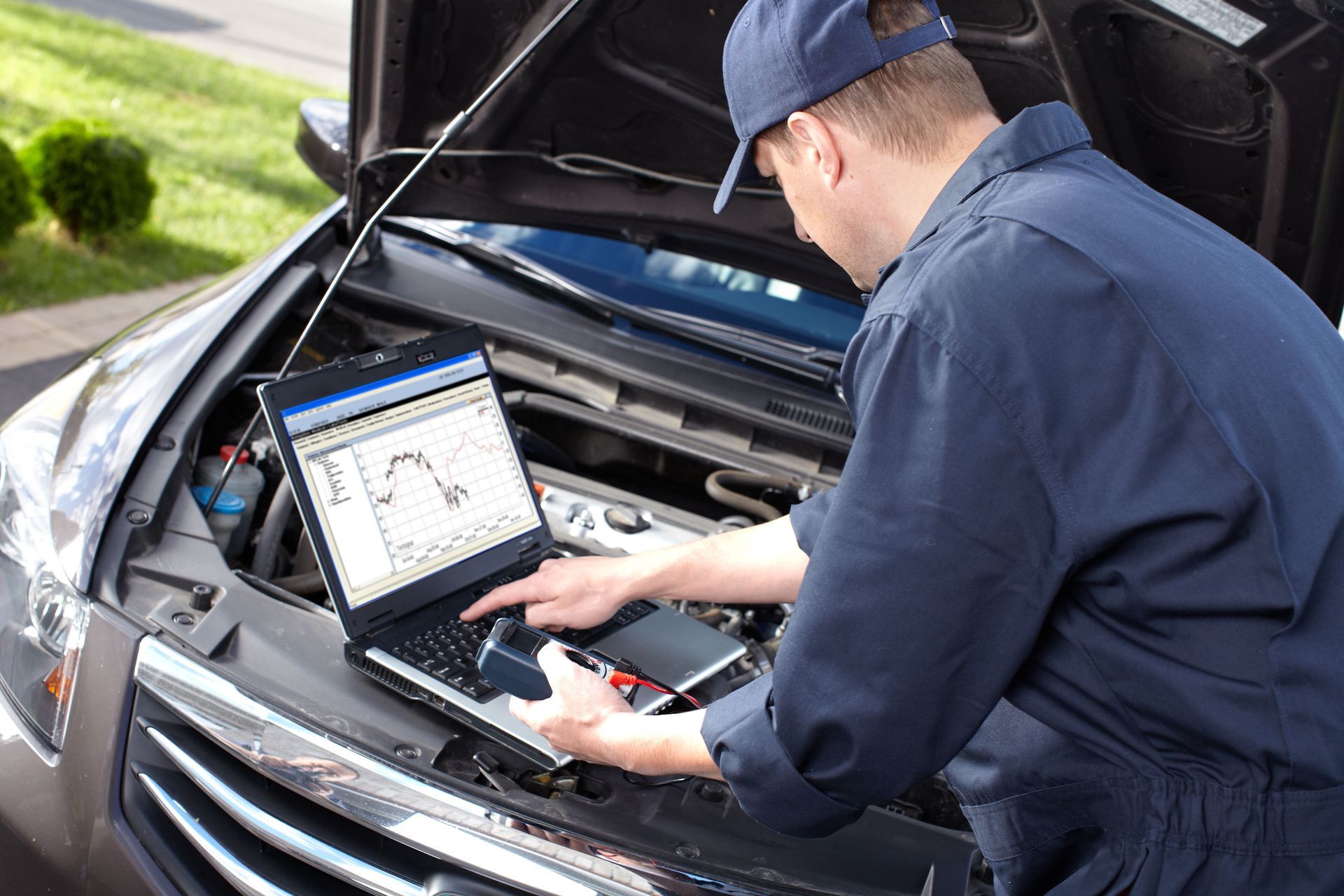
A dashboard warning provides a starting point, not a complete diagnosis. Technicians performing European auto repairs may use manufacturer-compatible diagnostic equipment alongside physical inspections and operating data. Fault codes require interpretation within the vehicle's broader condition, especially when multiple systems report related concerns. Clear explanations help owners understand the difference between an urgent problem and one that allows scheduled attention.
Evaluating Transmission Response
Luxury imports may use sophisticated automatic, dual-clutch, or other transmission designs. Delayed engagement, harsh shifts, or unexpected behavior should be assessed in relation to the specific system. Software controls, fluid condition, mechanical components, and operating temperature may all be relevant. A careful assessment avoids assuming every shifting complaint requires a major transmission replacement.
Assessing Cooling Reliability
Cooling systems protect engines from excessive temperatures, but leaks and failing components can develop gradually. Warning messages, coolant loss, or temperature changes deserve prompt attention. The appropriate repair depends on locating the source and evaluating related parts rather than relying on visible symptoms alone.
Protecting Ride and Handling
Evaluating Suspension Wear
European luxury vehicles often emphasize precise steering and a composed ride. Worn bushings, dampers, joints, or air suspension components can alter that balance. Owners may notice uneven tire wear, extra body movement, or new noises over rough pavement. An inspection helps distinguish ordinary road feedback from developing mechanical concerns.
Assessing Brake Performance
Braking systems must deliver predictable stopping performance under varied conditions. Vibration, squealing, changes in pedal feel, or dashboard warnings may point to different issues. During European auto repairs, qualified technicians evaluate the relevant components and consider manufacturer specifications for parts and service procedures. Brake concerns deserve attention because they directly affect vehicle safety.
Reviewing Steering Precision
Steering complaints may involve alignment, tires, suspension components, or electronic assistance. A vehicle that pulls to one side does not necessarily need the same repair as one with loose steering feel. Examining the entire system helps explain the symptom and identify the most appropriate response.
Considering Tire Compatibility
Tire selection influences road noise, traction, ride quality, and handling. Some models require particular sizes, load ratings, or performance characteristics. Mixing unsuitable tires can affect the way a vehicle drives, especially when it has all-wheel drive or advanced stability systems. Professional guidance helps owners make choices consistent with vehicle requirements.
Maintaining Electronic Features
Examining Battery Health
Electrical demands can be substantial in vehicles equipped with extensive comfort and safety technology. A weak battery may contribute to starting problems or unpredictable electronic behavior. Some models also require specific procedures when batteries are replaced. Proper evaluation considers charging performance and vehicle-specific requirements, not battery age alone.
Diagnosing Sensor Faults
Parking assistance, driver alerts, and engine management depend on numerous sensors. Dirt, damaged wiring, component faults, or calibration issues can produce similar warnings. European auto repairs involving electronics benefit from careful testing and appropriate equipment so that the source of a problem is identified before repairs proceed.
Understanding Software Updates
Vehicle software can influence shifting behavior, control modules, infotainment functions, and diagnostic communication. Not every complaint calls for an update, and software changes should follow applicable manufacturer guidance. A technician can explain when programming or calibration is relevant to a particular repair.
Preserving Convenience Systems
Power seats, climate controls, lighting, and infotainment features contribute to the luxury driving experience. Their faults may not stop a vehicle from moving, but they can significantly affect daily comfort. Addressing these concerns with the same diagnostic discipline used for mechanical problems helps preserve the vehicle's overall usability.
Planning Responsible Vehicle Care
Reviewing Maintenance Records
A documented service history gives technicians insight into past work, recurring complaints, and upcoming maintenance needs. Records are especially useful when a vehicle changes owners or has been serviced at multiple shops. They also help distinguish an unresolved issue from a new symptom.
Prioritizing Necessary Repairs
When several concerns arise together, drivers benefit from knowing which affect safety, which risk additional damage, and which are primarily cosmetic or convenience-related. A clear estimate should explain recommended work and distinguish immediate needs from items that can be monitored. This helps owners plan without overlooking important problems.
Choosing Specialized Expertise
The right repair provider understands the demands of imported vehicles and communicates findings in everyday language. Appropriate diagnostic tools, access to specifications, and familiarity with common model concerns all support effective European auto repairs. Owners should feel comfortable asking about parts, warranties, timelines, and the reasoning behind a recommendation.
Scheduling Professional Support
Consistent maintenance and timely attention to unusual behavior can help preserve the driving experience that makes a luxury import appealing. Whether the concern involves engine performance, suspension comfort, or electronic features, accurate diagnosis matters more than guesswork. For personalized care and an assessment of your vehicle's needs, contact Rob's Import Repair today to discuss European auto repairs and schedule service.