August 18, 2026
Transmission problems can be one of the most daunting issues for vehicle owners, often leading to unexpected expenses and extensive downtime. Understanding the various aspects of transmission repair, from identifying early warning symptoms to implementing preventive maintenance strategies, is crucial for every driver. While the mechanical complexities of modern transmission systems might be intimidating, gaining practical knowledge in this area can materially reduce long-term stress and maintenance costs. By understanding how to address transmission troubles head-on, vehicle owners can ensure their cars run smoothly and dependably over time, avoiding the need for emergency auto repairs.
Understanding Transmission Systems and Common
Symptoms: Identifying transmission problems early can save significant stress and expense. Common symptoms include slipping gears, where the engine revs but the vehicle fails to transfer power smoothly to the wheels. Drivers may also notice unusual mechanical noises, such as grinding, whining, or clunking sounds when the vehicle shifts. Furthermore, a delayed or unresponsive acceleration when pressing the gas pedal often indicates internal pressure loss or worn friction plates, signalling that it may be time for targeted auto repairs.
Another clear indicator of transmission trouble is leaking fluid, which presents as a bright red or dark brown puddle beneath a parked vehicle. A persistent burning smell typically indicates overheating fluid, which requires immediate technical attention to prevent internal component breakdown. If the vehicle vibrates unexpectedly during gear transitions or illuminates the check engine light, a comprehensive diagnostic inspection is necessary to pinpoint the underlying fault.
Modern passenger vehicles generally feature one of three primary transmission designs: manual, traditional automatic, or continuously variable transmissions (CVT). Manual systems rely on a driver-operated clutch and gear lever, providing direct mechanical control and simpler internal components. Automatic transmissions utilize planetary gearsets and hydraulic controls to shift gears automatically, offering a convenient, hands-free driving experience.
Continuously variable transmissions represent a modern engineering approach, using an adaptable pulley and belt system to deliver seamless acceleration without distinct gear shifts. While CVTs optimize fuel economy, their specialized components require precise maintenance. Understanding which transmission design your vehicle utilizes is essential, as each system requires specific fluid formulations and tailored approaches to service and eventual auto repairs.
Transmission issues stem from several common sources, with fluid degradation being the primary culprit. Low or contaminated fluid reduces internal lubrication and thermal dissipation, causing rapid component wear. Physical mechanical failures, such as worn gear teeth, damaged solenoids, or broken bands, also lead to erratic shifting or total drive failure. Additionally, electronic faults involving faulty speed sensors or damaged wiring harnesses can disrupt communication with the engine control module.
Driving habits and environmental stressors also influence system longevity. Aggressive acceleration, frequent heavy towing, and prolonged stop-and-go driving generate extreme internal heat. Adopting smoother driving habits and adhering to regular fluid maintenance schedules significantly reduces internal wear and lowers the overall frequency of major mechanical service.
The Role of Early Diagnosis and Modern Equipment
Catching mechanical issues early prevents minor component wear from escalating into complete system failures. Early intervention often allows for straightforward solutions, such as fluid flushes, sensor replacements, or minor external adjustment, rather than complete transmission overhauls. Prompt attention minimizes vehicle downtime, keeping drivers safely on the road while protecting their financial investment through proactive auto repairs.
When transmission problems are ignored, fluid contamination quickly damages internal friction plates and hydraulic valves. Integrating regular visual checks and professional diagnostic scans into routine vehicle care helps identify micro-faults before they cause severe damage. Taking a proactive approach ensures consistent operational reliability over the entire lifespan of the vehicle.
The importance of timely maintenance aligns with broader growth trends within the automotive service industry. According to IBISWorld, the American auto mechanic market has grown at a 1.2% CAGR between 2021 and 2026, reflecting an increasing consumer reliance on professional technicians for complex mechanical care. Scheduling regular professional assessments remains a financially sound strategy for modern vehicle upkeep and routine auto repairs.
Modern diagnostic equipment has transformed how technicians evaluate drivetrain health. Onboard Diagnostic (OBD-II) scanners connect directly to the vehicle computer to retrieve diagnostic trouble codes, providing immediate insight into electronic and hydraulic malfunctions. Advanced diagnostic equipment can monitor real-time sensor data, fluid temperatures, and line pressures while the vehicle is in operation.
In contemporary vehicles, the Electronic Control Unit (ECU) manages shift timing, torque converter lockup, and clutch engagement. When electronic control faults occur, special software tools are needed to recalibrate control modules and upload manufacturer updates. Because modern electronics interact directly with mechanical gearsets, precise electronic diagnostics are essential for effective service.
Essential Tools and Safety Procedures for Transmission Work
Addressing basic fluid and filter servicing requires specific hand tools and safety gear. High-quality socket sets, torque wrenches, fluid drain pans, and wide-mouth funnels are essential for clean, precise work. Using a calibrated torque wrench ensures that pan bolts and drain plugs are tightened to exact manufacturer specifications, preventing housing warps or fluid leaks.
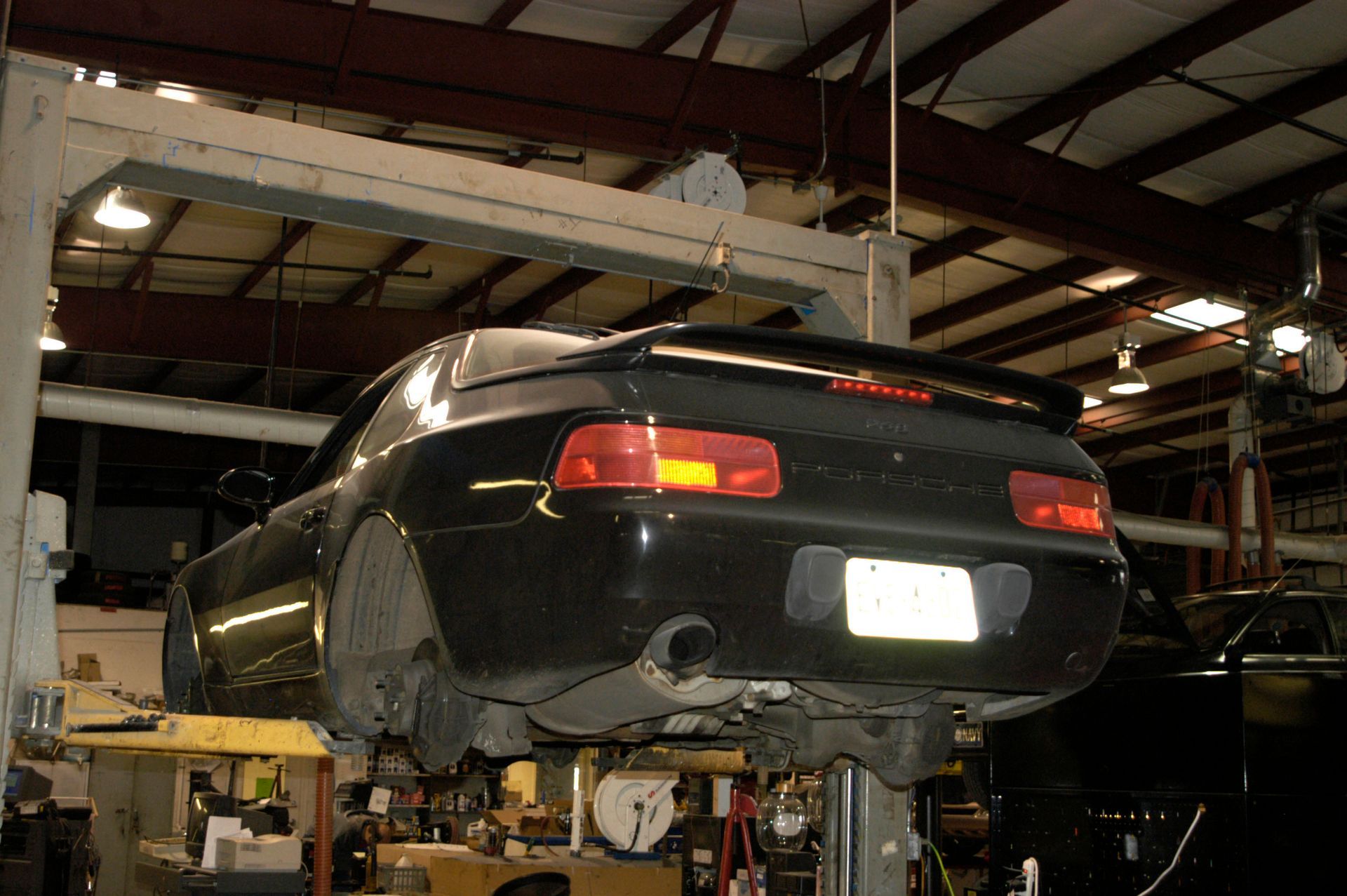
Safely accessing the vehicle undercarriage requires heavy-duty floor jacks, rated jack stands, or hydraulic lifts. Adequate lighting and clear workspace organization are equally important for working safely beneath a vehicle. Keeping a detailed model-specific service manual on hand provides exact fluid capacities, bolt torque sequences, and step-by-step service protocols.
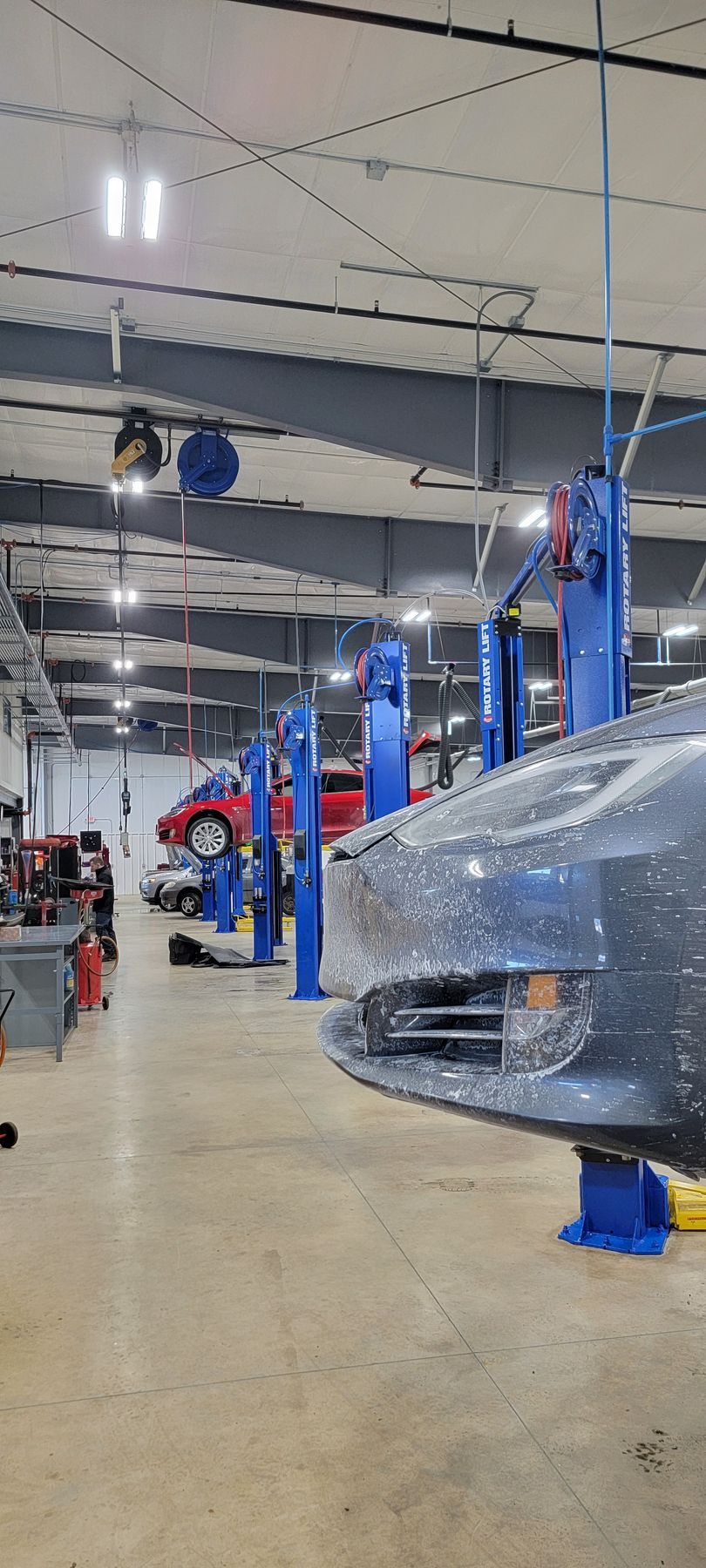
Complex transmission overhauls demand specialized shop equipment. Transmission jacks feature wide, adjustable bases designed to safely support and align heavy gearboxes during removal and installation. Hydraulic presses, precision micrometers, and fluid flushing machines allow professional technicians to rebuild assemblies and clean internal cooling lines with exact precision during intricate auto repairs.
Workplace safety protocols must be strictly enforced during any mechanical work. Personal protective equipment, including safety glasses, chemical-resistant gloves, and protective footwear, guards against hot fluid splashes and heavy falling objects. Maintaining a clean, well-ventilated work environment equipped with rated fire extinguishers ensures safe conditions during complex mechanical procedures.
Core Maintenance Procedures and Fluid Care
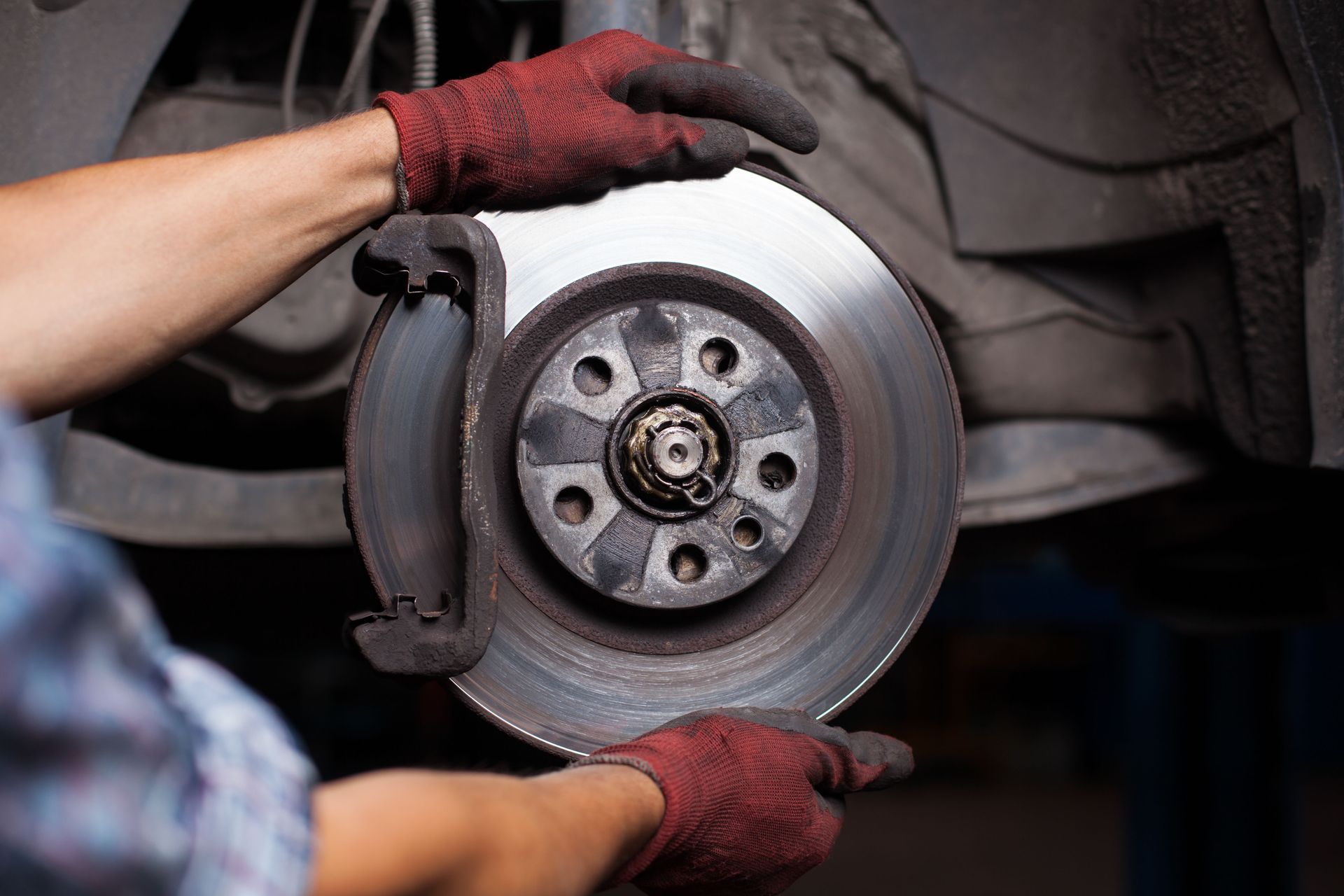
Routine fluid and filter changes are vital for removing metallic debris and restoring thermal protection. The process involves elevating the vehicle, draining the old fluid into a collection pan, and removing the fluid pan to access the internal filter. Cleaning the pan magnet and replacing the pan gasket ensures a clean, leak-free seal upon reassembly.
Refilling the system requires using the exact fluid specification detailed by the vehicle manufacturer. Once refilled, the engine is run through its gear selections to distribute fluid throughout the valve body and torque converter. Final fluid levels are then verified using a dipstick or level-check plug at operating temperature to ensure optimal hydraulic pressure.
Addressing fluid leaks promptly prevents low-pressure conditions that lead to severe clutch slippage. Common leak points include worn pan gaskets, deteriorated front or rear main seals, loose cooler lines, and cracked filler tubes. Cleaning the transmission casing and applying UV leak detection dye helps pinpoint subtle seepage sources under specialized lighting.
Once the source is identified, replacing aged rubber seals, tightening loose fittings, or installing new gaskets restores system integrity. Diligent leak monitoring, combined with regular fluid care, keeps internal components properly lubricated and prevents costly mechanical overhauls.
Understanding the warning signs, maintenance requirements, and diagnostic processes associated with transmission systems empowers vehicle owners to make smart decisions regarding their car care. From monitoring fluid quality and addressing minor leaks to utilizing advanced diagnostic scans, proactive maintenance protects your vehicle's performance and prevents unexpected mechanical breakdowns. When you need expert advice, precise diagnostic evaluations, or reliable auto repairs for your vehicle, trust the experienced team at Rob's Import Repair to deliver exceptional service and keep your car running at its best.