March 16, 2026
Keeping your vehicle in good condition requires regular attention to both maintenance and occasional repairs. Even well-built vehicles experience wear and tear over time due to daily driving, weather conditions, and road hazards. Understanding the most common issues that vehicles face can help drivers recognize early warning signs and seek professional service before small problems become expensive breakdowns.
While many drivers focus primarily on oil changes and tire rotations, a variety of other components play critical roles in keeping a car safe and reliable. From braking systems to electrical components, each part contributes to overall performance and safety. When drivers understand which problems occur most frequently, they can take a proactive approach to maintenance and schedule service before issues escalate. Knowing what to watch for helps ensure vehicles remain dependable and roadworthy for years to come.
Maintaining Proper Brake Performance
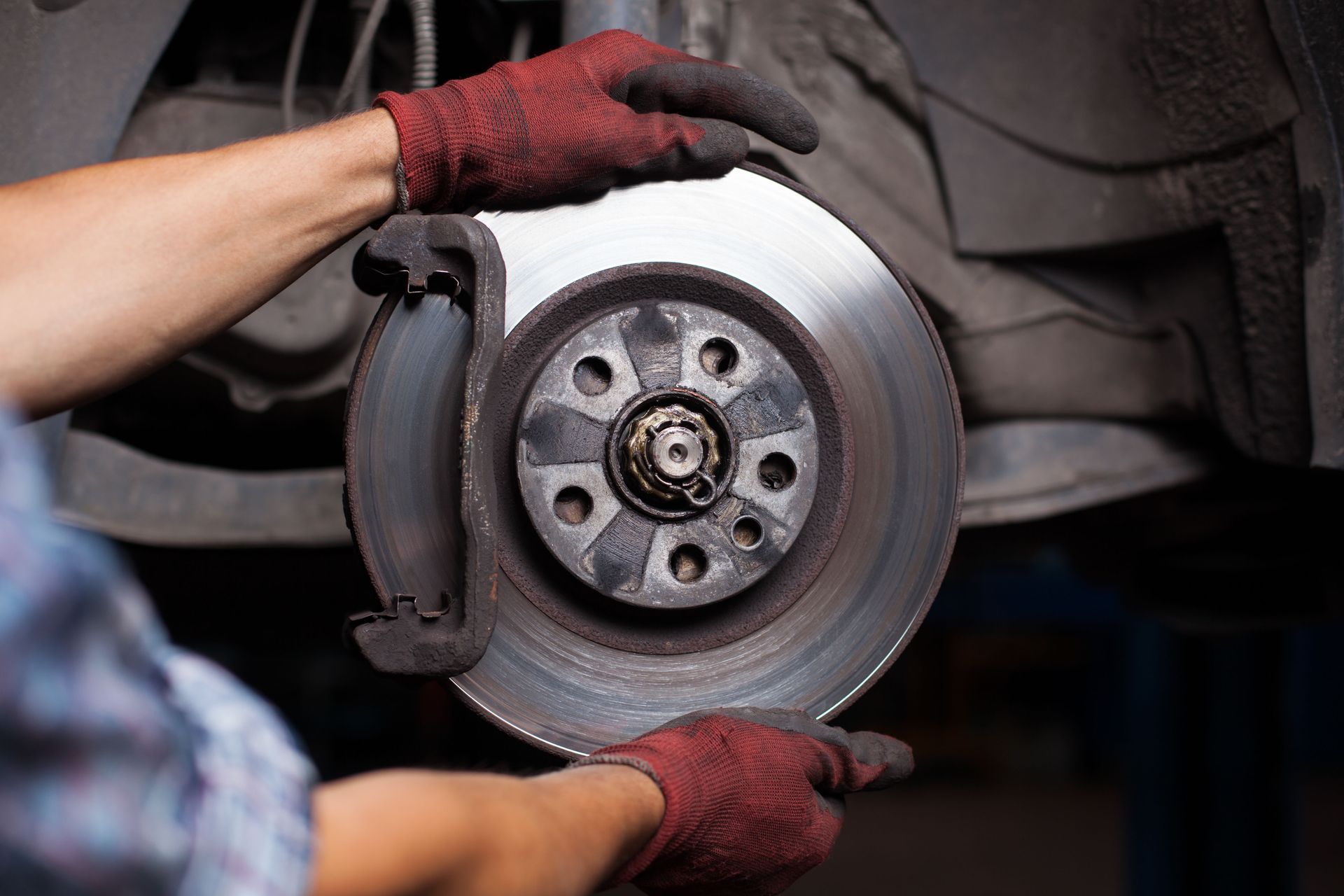
Brake system issues are among the most common reasons drivers visit a mechanic. Because brakes are essential for vehicle safety, even minor issues should be addressed quickly. Over time, brake pads naturally wear down due to friction, and rotors can become warped from repeated heating and cooling cycles. When this happens, drivers may notice squealing sounds, grinding noises, or vibrations when pressing the brake pedal.
Ignoring these warning signs can allow damage to spread to other parts of the braking system. What begins as worn brake pads may eventually lead to damaged rotors or calipers if not addressed in time. Professional technicians typically inspect brake pads, rotors, brake fluid, and calipers to ensure everything is functioning properly. Addressing brake concerns early is one of the most important auto repairs drivers can invest in to maintain safe stopping power.
Diagnosing Battery and Electrical Failures
Battery problems are another frequent cause of unexpected car trouble. A vehicle’s battery powers the ignition system, electrical accessories, and many of the computerized components found in modern vehicles. Over time, batteries lose their ability to hold a charge, especially when exposed to extreme heat or cold.
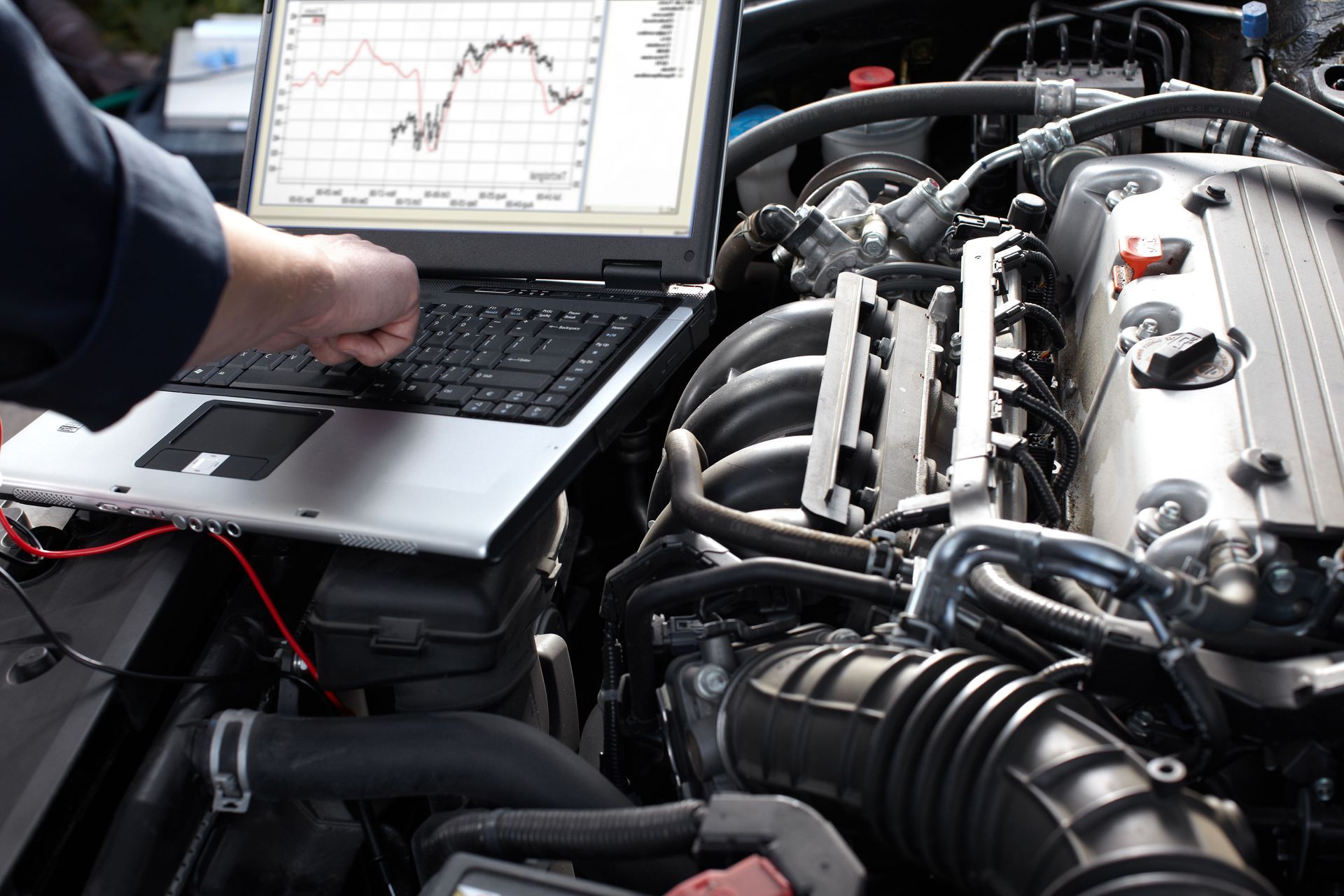
Electrical problems can also occur when wiring connections become loose or corroded. Drivers may notice dim headlights, difficulty starting the engine, or dashboard warning lights when electrical components begin to fail. These types of auto repairs often involve replacing the battery, repairing wiring, or diagnosing electrical faults using specialized diagnostic tools. Prompt attention to these issues ensures that the vehicle’s essential systems continue operating reliably.
Inspecting Suspension System Wear
A vehicle’s suspension system is responsible for maintaining stability, handling, and ride comfort. Components such as shocks, struts, control arms, and bushings absorb the impact of bumps and uneven road surfaces. Over time, these parts gradually wear out, especially for drivers who frequently travel on rough or poorly maintained roads.
When suspension components begin to fail, drivers may experience excessive bouncing, uneven tire wear, or difficulty maintaining control during turns. These symptoms can make driving uncomfortable and potentially unsafe. Suspension-related auto repairs help restore stability and ensure the vehicle responds properly to steering and braking inputs, improving both comfort and safety.
Troubleshooting Engine Performance Concerns
Engine problems can vary widely in severity, but many begin with relatively small issues such as worn spark plugs, clogged fuel injectors, or faulty sensors. When these components stop functioning correctly, drivers may notice rough idling, reduced fuel efficiency, or a loss of power during acceleration.
The check engine light is often the first indicator that something within the engine system requires attention. While the issue may be minor, it can also signal deeper mechanical concerns. Professional diagnostics help identify the root cause and determine the appropriate solution. Addressing these problems early can prevent larger and more costly auto repairs while keeping the engine operating efficiently.
Evaluating Exhaust System Damage
The exhaust system directs harmful gases away from the engine while also reducing emissions and noise. Components such as the muffler, catalytic converter, and exhaust pipes are constantly exposed to high temperatures and moisture, which can lead to corrosion over time.
When exhaust components develop leaks or damage, drivers may hear louder engine noise or notice reduced fuel efficiency. In some cases, the smell of exhaust fumes inside the vehicle may signal a serious issue that requires immediate attention. Professional technicians can inspect the system and perform the necessary auto repairs to restore proper emissions control and maintain safe vehicle operation.
Monitoring Cooling System Performance
The cooling system prevents the engine from overheating by circulating coolant through the engine block and radiator. Components such as hoses, thermostats, radiators, and water pumps play a vital role in regulating engine temperature. Over time, these parts may develop leaks or wear out due to constant exposure to heat and pressure.
When the cooling system begins to fail, drivers may notice rising temperature gauges, coolant leaks under the vehicle, or steam coming from the hood. Overheating can cause serious engine damage if ignored, making prompt service essential. Cooling system auto repairs often involve replacing worn hoses, repairing radiators, or installing new thermostats to ensure the engine maintains proper operating temperatures.
Servicing Transmission Operation
The transmission allows a vehicle to shift gears smoothly and transfer power from the engine to the wheels. Because transmissions contain numerous complex parts, they require proper maintenance to function correctly. Low or contaminated transmission fluid is one of the most common causes of transmission trouble.
Drivers experiencing slipping gears, delayed shifting, or unusual grinding sounds should seek professional service promptly. These symptoms often indicate that internal components require inspection. Transmission auto repairs may involve fluid replacements, seal repairs, or more extensive servicing, depending on the severity of the issue.
Assessing Tire Wear and Wheel Alignment
Tires are critical to vehicle safety because they provide traction and maintain contact with the road. Over time, normal driving causes tread to wear down, reducing the tire’s ability to grip the road effectively. Uneven wear patterns can also occur when wheels are misaligned.
Wheel alignment problems cause tires to meet the road at incorrect angles, which can shorten tire life and reduce fuel efficiency. Routine inspections, tire rotations, and alignments help extend tire lifespan and improve handling. Addressing tire and alignment concerns early prevents unnecessary auto repairs to suspension and steering components while maintaining overall driving safety.
Recognizing Trends in Vehicle Maintenance Costs
As vehicles become more technologically advanced, repair costs have gradually increased. Modern cars rely on sophisticated computer systems, sensors, and electronic components that require specialized diagnostic equipment and trained technicians. While these advancements improve performance and safety, they can also make repairs more complex.
According to ConsumerAffairs.com, in 2023, the average cost of motor vehicle maintenance and repair in the U.S. increased by 6.5%. This statistic highlights why preventative maintenance is so valuable. Addressing small concerns early can help drivers avoid larger repair bills later and keep vehicles running efficiently for many years.
Understanding the most common car problems helps drivers stay proactive about vehicle care. When drivers recognize warning signs early, they can schedule service before small concerns develop into larger mechanical failures. Regular inspections and preventative maintenance play a key role in keeping vehicles safe, reliable, and efficient on the road.
If your vehicle is experiencing performance issues or requires routine service, the experienced team at Rob's Import Repair is here to help. Contact Rob's Import Repair today to schedule professional diagnostics and dependable service that keeps your vehicle running at its best.